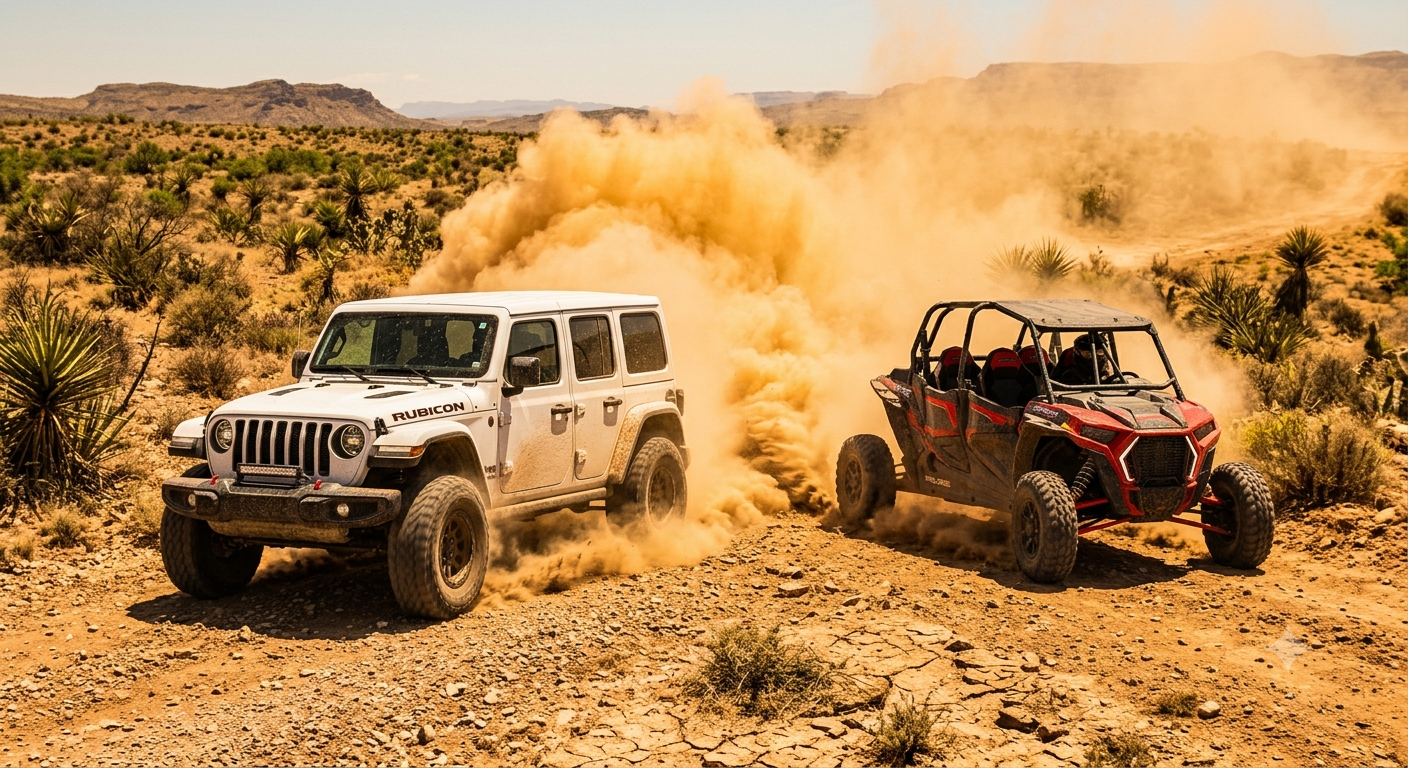
Beating the Texas Heat: Off-Roading Safety Tips for Summer Trail Days
By Trail Tested TX | Houston, TX
Texas summers don’t play around, and if you’re taking the Jeep or the RZR out between June and September, Texas off-roading summer heat isn’t just uncomfortable — it’s the thing most likely to cut your trail day short or leave you stranded. Between the vehicle prep and the personal safety side, here’s everything I run through before a summer trail run.
Texas Off-Roading Summer Heat: Personal Safety First
Texas Parks and Wildlife put out heat safety guidance this summer, and it applies just as much to off-roaders as hikers — you’re still out in the same sun, just covering more ground.
- Hydrate aggressively. Plan on 16 ounces of water per hour just sitting in the heat, and closer to 32 ounces per hour if you’re doing anything physical — winching, spotting, airing down and back up.
- Wear sunscreen and reapply it. Sitting in an open Jeep or a RZR with no doors means a lot more sun exposure than you’d get in a regular car.
- Plan around the hottest part of the day. Early morning or evening trail time beats grinding through a trail at 2pm in August. If you can start at sunrise, do it.
- Bring salty snacks. Jerky, trail mix, pretzels — anything that helps replace the salt you’re sweating out, not just water.
- Tell someone your plan. Where you’re going and when you expect to be back, especially if you’re headed somewhere with spotty cell service.
- Don’t forget your dog if they’re riding along — they feel the heat just as much as you do, and pavement/rock temps can be brutal on paws.
Prepping the Jeep for Texas Off-Roading Summer Heat
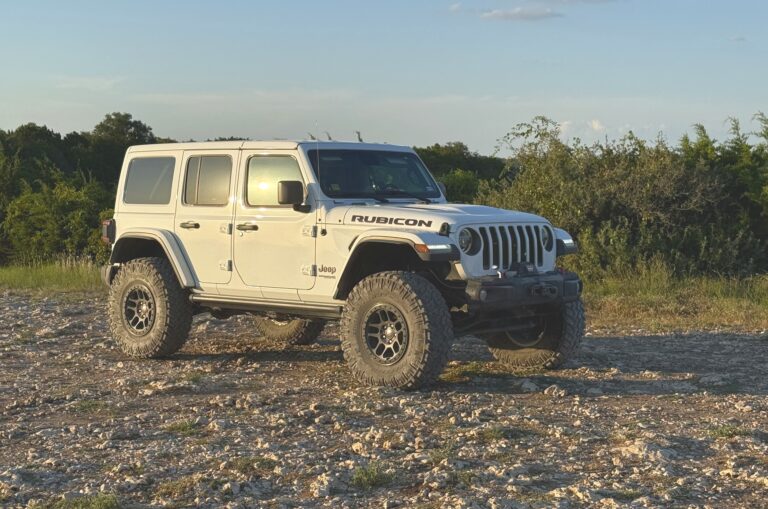
Off-road driving already means slower speeds and heavier loads than highway driving, which puts more strain on your cooling system exactly when the ambient temperature is working against you too. A few things worth checking before summer trail season:
- Coolant level and condition. Not just topped off — make sure it’s the correct mixture for your Jeep and hasn’t broken down. Old coolant loses its ability to handle heat.
- Radiator, water pump, and thermostat. Have these checked if it’s been a while. A radiator caked in dirt and bugs can’t dissipate heat efficiently, which matters even more when it’s already 100°F outside.
- Tire pressure. Heat causes tire pressure to climb during the day, and starting your trail day at the wrong PSI compounds that. Check pressure cold, before you’ve been driving, and adjust based on trail conditions rather than just the door-jamb sticker number if you’re airing down for the trail.
- Air filter. Dust plus a clogged filter equals restricted airflow and a harder-working engine — check or replace it heading into summer if you do much off-roading.
- All fluids, not just coolant. Oil, brake fluid, transmission fluid — heat affects all of them, and off-road driving already runs everything hotter than a highway commute.
Prepping the RZR (or Any UTV/SxS)
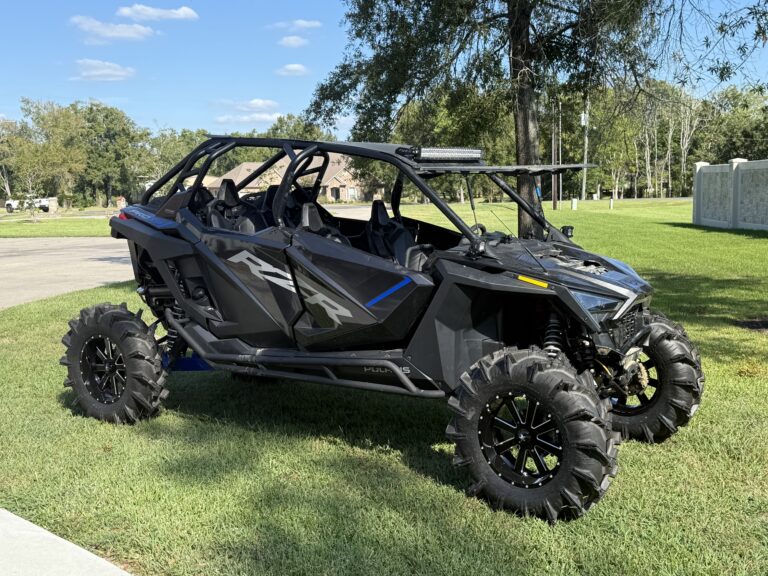
UTVs run into overheating even faster than a Jeep in extreme heat, mostly because of airflow restriction — mud and grass caked onto the radiator can cut airflow by half.
- Clean the radiator before every hot-weather ride. Low-pressure air from the engine side out, then a gentle hose rinse — takes less than 20 minutes and prevents the single most common cause of UTV overheating.
- Check coolant condition, not just level. Same as the Jeep — old coolant loses its anti-boil properties. Replace it every couple years, more often if you ride slow technical terrain a lot.
- Watch belt temps in extreme heat. A scorched CVT belt is a real risk on 100°F+ days. Keep the clutch vents clean, and if you want to get serious about it, an IR temp gun lets you check belt surface temp on the fly — pull over if it’s climbing past 200°F.
- Don’t idle in place for long stretches. UTVs aren’t built to sit and idle in extreme heat the way a truck is. If you’re stopped for a while, shut it off rather than letting it idle.
A Few More Things Worth Packing
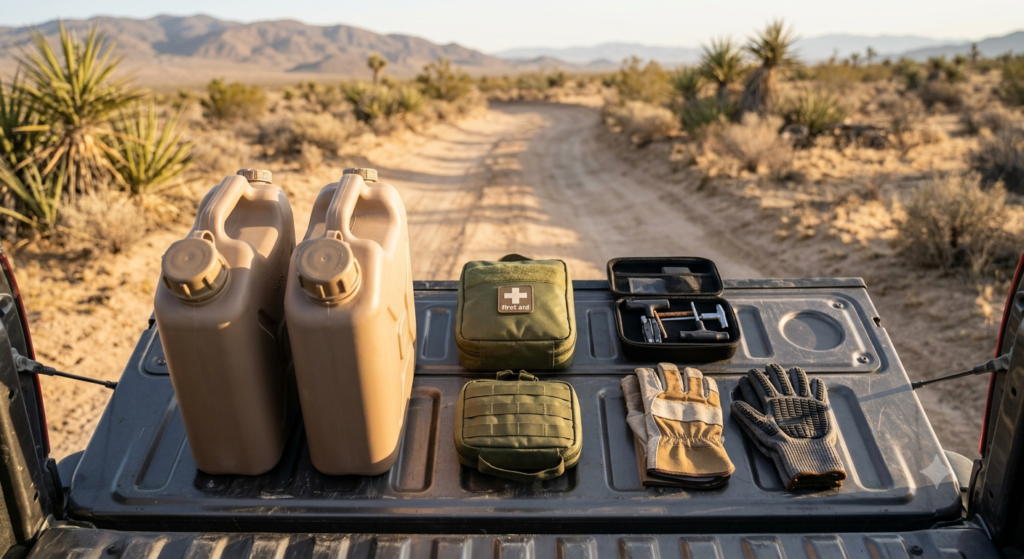
- Extra water beyond what you think you need — for you and the vehicle both
- A basic emergency kit — first aid, extra fluids, tools, tire plug kit
- Registration and insurance, especially if you’re headed somewhere remote enough that a breakdown means a long wait
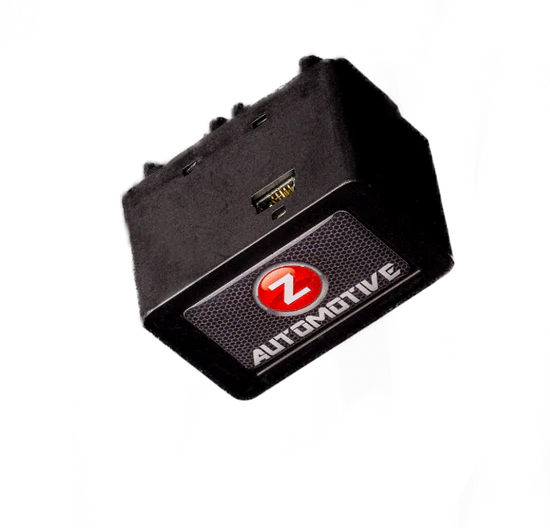
One quick tie-in if you’ve already got a Tazer JL Mini installed: the TPMS settings we covered in the Tazer JL Mini install guide let you dial in your tire pressure thresholds, which is worth revisiting heading into summer since heat changes your baseline PSI more than people expect.
Stay smart about timing, keep the cooling system in check on both rigs, and Texas off-roading summer heat doesn’t have to ruin your trail day — just don’t let it sneak up on you or the vehicle.